
Some recipes sit in your head for years before they finally happen. This kimchi stew was one of those. We had imagined it many times, but it took the right conditions to bring it to life.
A daily miso soup production meant we had rich, living broth on hand. Friends from Gevel brought deeply aged kimchi to pair with makgeolli. Suddenly, everything was there.
This stew is not about freshness. It is about age, depth, and time. It’s a dish for cold days, slow afternoons, and vegetables that have already lived a full life.
Why This Works
Old kimchi behaves differently than fresh kimchi. The sharp acidity softens with long cooking and transforms into something round, rich, and almost sweet. The lactic acids break down, sugars caramelize gently, and the stew develops flavors that resemble tomato, anchovy, and slow-cooked onion, even if none are added.
Miso broth adds body, umami, and complexity. Sesame oil brings warmth and nuttiness. The long simmer does the rest.
This is fermentation meeting patience.
Ingredients
For a large pot, about 6 to 8 servings:
-
1 kg vegetables, cooked gently in sesame oil
Leek greens or onions work particularly well -
1.5 liters strained miso soup broth
Vegetable based, or animal stock if preferred -
1.5 kg very old kimchi
The older and more sour, the better -
Sesame oil, enough to coat the vegetables
-
Gochugaru, to taste
Optional, but recommended if you like heat -
Cooked rice, to serve
Method
-
Start with the vegetables
Heat a heavy pot over medium heat. Add sesame oil and gently cook your vegetables. You are not frying them. You want them soft, aromatic, and slightly translucent. This step builds the base of the stew. -
Add the broth
Pour in the strained miso soup broth. Bring everything gently to a simmer. The broth should taste savory but not overly salty. -
Add the kimchi
Add the kimchi in equal or slightly larger quantity than the broth. Include the kimchi liquid. Stir well so everything is evenly distributed. -
Adjust the heat
If you want extra spice, add gochugaru now. Start modestly. The flavor will intensify as it cooks. -
Let time do the work
Lower the heat and let the stew simmer uncovered for at least 2 hours. Longer is better. Stir occasionally and taste as it evolves. The sharp acidity will slowly round out into deep umami with subtle sweetness and tomato-like notes. -
Final balance
When the stew tastes rich, soft, and comforting rather than sour, it’s ready. Adjust seasoning only at the end if needed.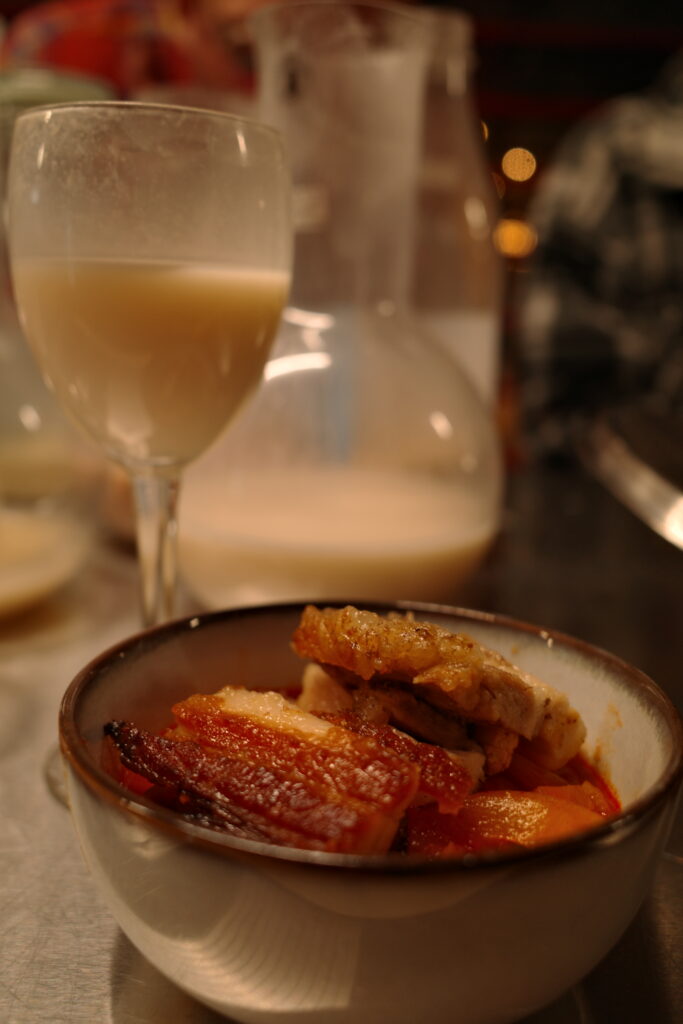
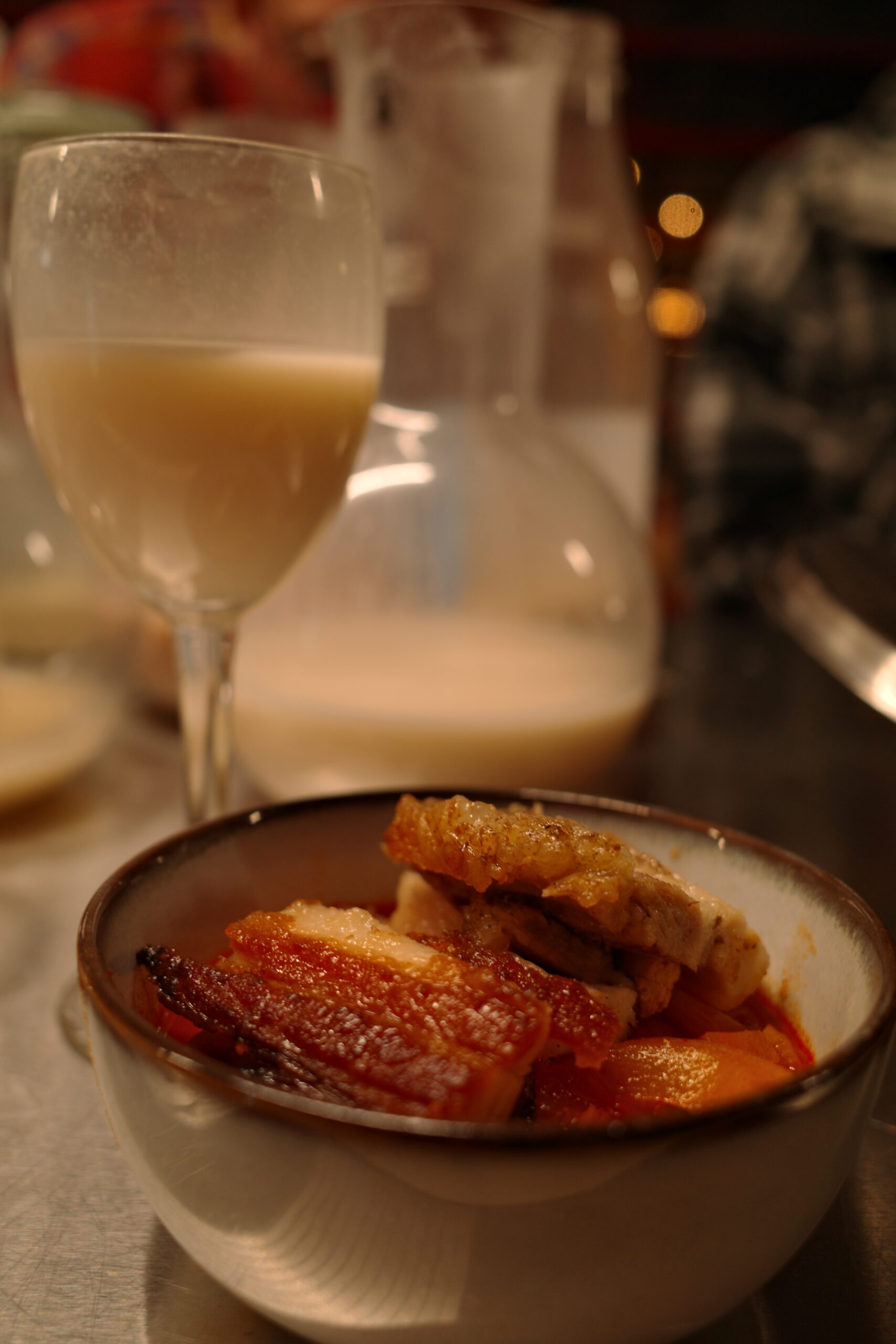
To Serve
Serve hot with plain white rice. Nothing fancy. The stew should do the talking.
This is a bowl for winter evenings, for quiet tables, and for appreciating what fermentation becomes when you stop rushing it.
Fermentation Note
This recipe is a celebration of aged ferments. Kimchi that feels too sour to eat raw is often perfect for cooking. Long heat transforms lactic sharpness into depth, proving once again that fermentation doesn’t end when the jar is opened. It just changes form.